The Courage to Begin: Why Starting Something New Matters
Starting something new can feel exciting, hopeful, and a little terrifying—all at the same time.
There is a moment before the beginning when everything still feels possible.
The yarn is untouched.
The notebook is blank.
The supplies are neatly gathered.
The idea in your head has not yet encountered mistakes, frustration, or unexpected challenges.
Then comes the hardest part: actually beginning.
Whether you are learning to crochet, trying a new stitch, opening a small business, joining a class, or simply making room for creativity again, starting something new requires courage. You are choosing to move forward without knowing exactly how everything will turn out.
And that is a beautiful thing.
New Beginnings Can Feel Uncomfortable
We often imagine that starting something new should feel inspiring.
Sometimes it does.
Other times, it feels awkward, confusing, and uncomfortable.
You may wonder:
What if I am not good at this?
What if I make a mistake?
What if everyone else learns faster than I do?
What if I spend time on this and it does not work out?
Those thoughts do not mean you are incapable.
They simply mean you are stepping beyond what is familiar.
Your brain naturally finds comfort in routines and experiences it already understands. When you try something new, you do not have that familiar roadmap yet. You have to slow down, pay attention, ask questions, and occasionally try the same thing more than once.
That discomfort is not proof that you should stop. It is often proof that you are learning.
Crochet Is Full of New Beginnings
Crochet gives us countless opportunities to practice beginning again.
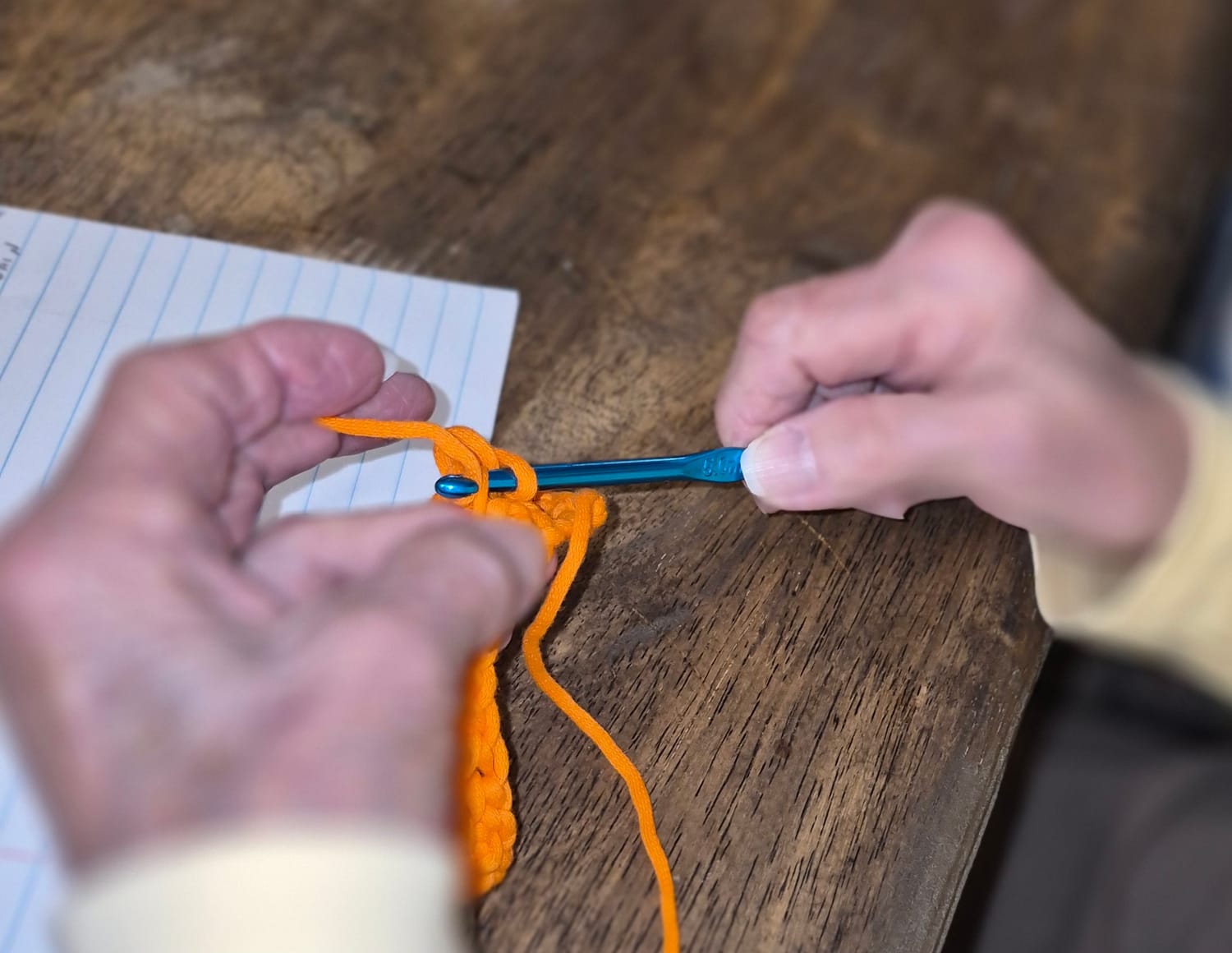
Your first slip knot may feel clumsy.
Holding the hook and yarn at the same time can seem impossible.
Your foundation chain might be too tight, your stitch count may wander, and your first rectangle may look more like a triangle.
Then, little by little, something changes.
Your hands begin to remember the movements. You recognize the shape of a stitch. You notice when something does not look right. You learn how to pull out a few stitches, correct the problem, and continue.
Eventually, the thing that once required all of your concentration becomes something your hands can do almost automatically.
But growth does not stop once you learn the basics. Every unfamiliar pattern, technique, yarn, or project gives you another chance to be a beginner.
That is one of the most wonderful things about crochet: there is always another stitch to explore and another skill waiting to be discovered.
You Do Not Have To Be Good At It Yet
One of the greatest obstacles to starting something new is the belief that we should already know how to do it well.
We compare our first attempt to someone else’s hundredth project. We see a polished finished piece without seeing the tangled yarn, frogged rows, uneven tension, and years of practice that came before it.
Being a beginner is not something to be embarrassed about. It is a necessary part of becoming more confident.
You are allowed to:
Read the instructions more than once.
Pause and rewind the tutorial.
Ask for help.
Use stitch markers everywhere.
Choose an easier project.
Start over.
Put the project down and return when you feel ready.
Make something imperfect and still feel proud of it.
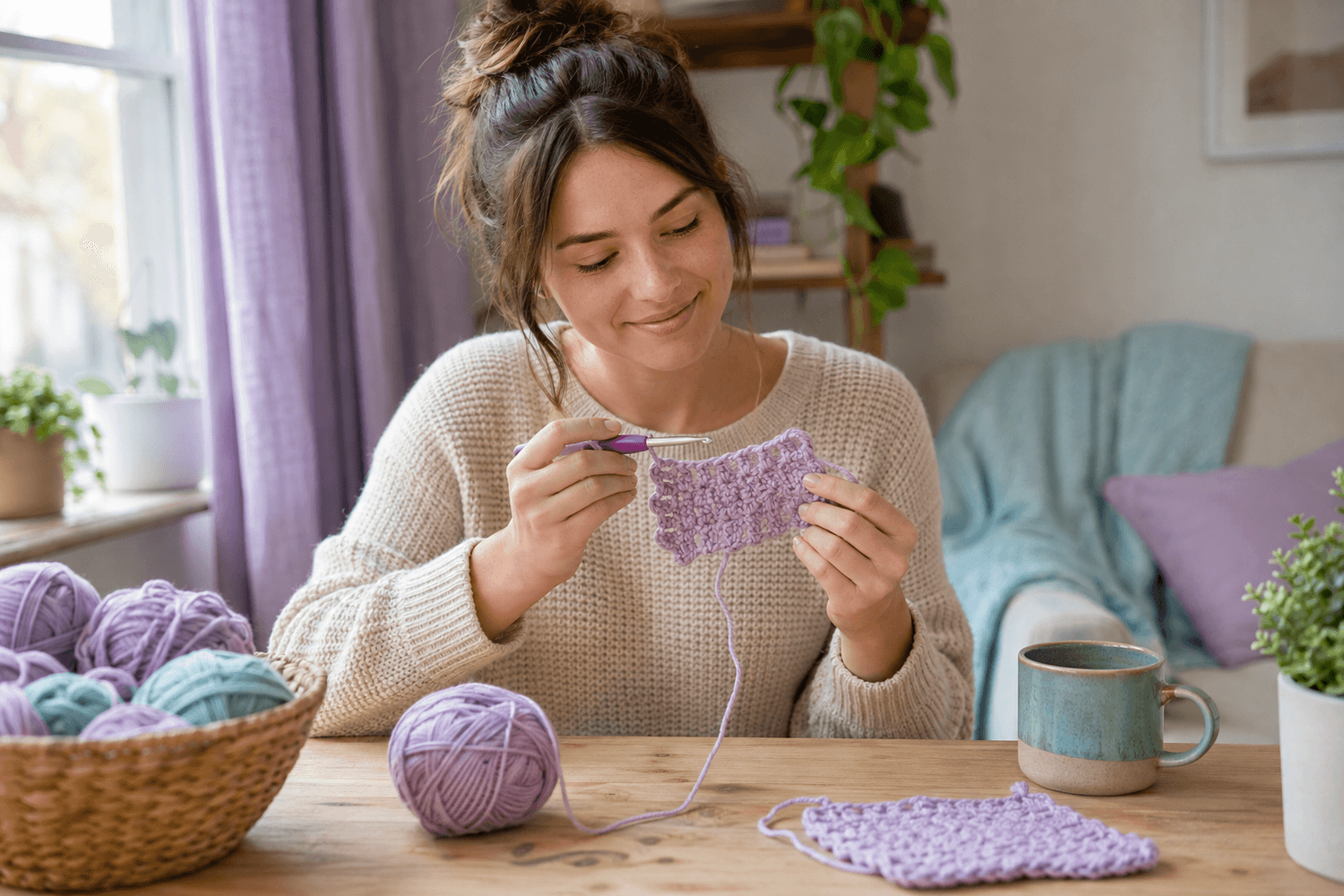
You do not have to prove anything when you begin. Your only responsibility is to give yourself permission to learn.
Small Beginnings Still Count
Starting something new does not require an enormous commitment.
You do not need to buy every possible tool, plan a complicated project, or dedicate hours to practicing. A beginning can be very small.
It might look like:
Watching one beginner tutorial.
Learning how to make a slip knot.
Practicing a short foundation chain.
Crocheting one row.
Trying a new stitch with leftover yarn.
Reading through a pattern before deciding whether to make it.
Joining a class or crochet community.
Small steps are valuable because they make the unknown feel more manageable. Each one provides a little information, builds a little confidence, and brings you closer to where you want to be.
A single row may not feel significant in the moment, but every finished project is created one row at a time.
Mistakes Are Part of The Beginning
When you are new to something, mistakes are not interruptions to the learning process. They are part of it.
Crochet teaches this lesson beautifully.
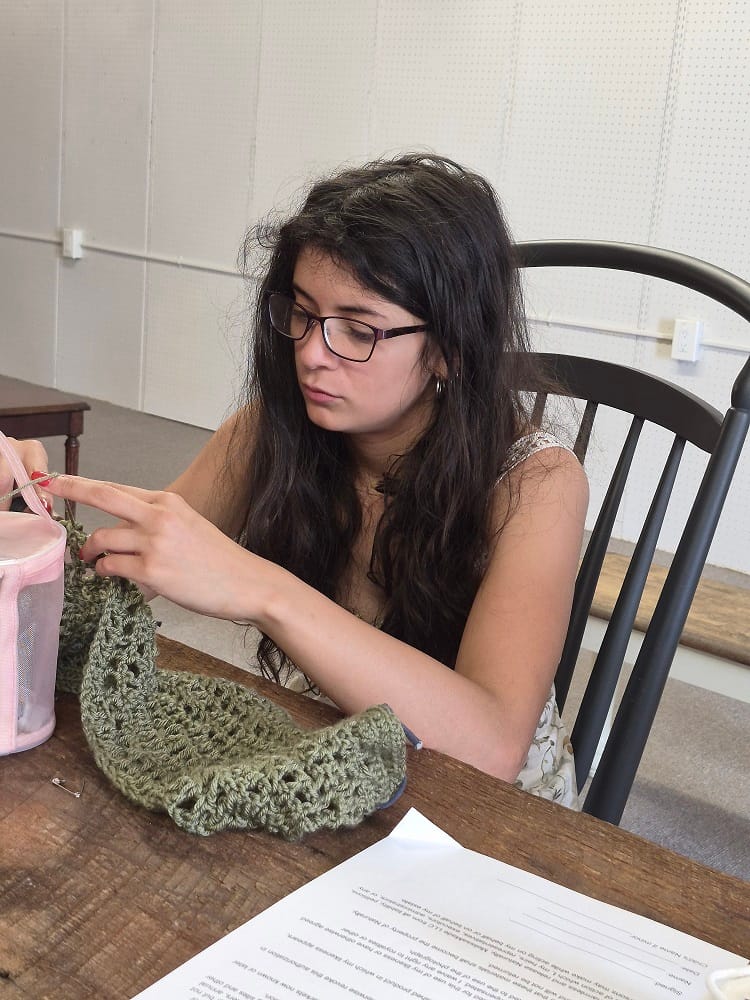
A missed stitch helps you understand why your edges are shrinking. An extra stitch shows you how accidental increases happen. A twisted chain teaches you to check your foundation before continuing. A row that needs to be pulled out gives you practice recognizing and correcting a problem.
That does not mean mistakes are never frustrating. Frogging twenty minutes of work can still make you want to toss the yarn across the room.
But each mistake gives you information.
Instead of asking, “Why can’t I do this?” try asking:
“What is this showing me?”
“Where did the project begin to change?”
“What could I try differently next time?”
That small shift turns a mistake from a personal failure into a problem you can solve.
Starting Something New Builds Confidence
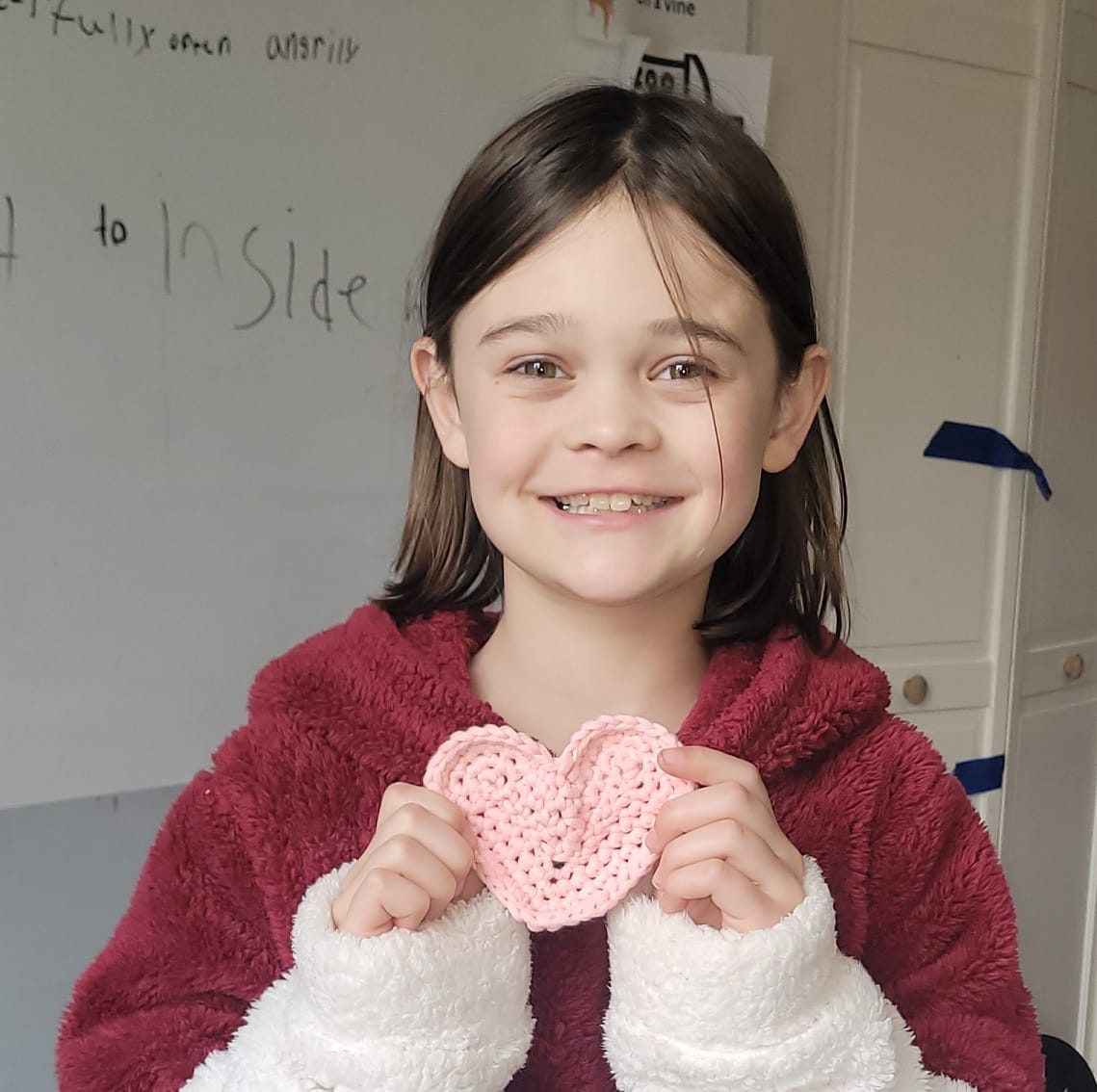
Confidence is not something you must have before you begin. It is something you build by beginning.
Every time you try a new skill, you show yourself that uncertainty does not have to stop you. Every mistake you work through becomes evidence that you can recover. Every small success reminds you that progress is possible.
The confidence you develop through crochet can begin to reach beyond your projects.
You may find yourself more willing to ask questions, experiment with new ideas, solve problems, or take the first step in another area of your life.
You begin to understand that not knowing how to do something yet does not mean you cannot learn.
That little word—yet—can change everything.
New Things Can Support Mental Wellness
Trying something new gives the mind a place to focus.
When you are learning a stitch or following a pattern, your attention shifts toward the hook, yarn, movement, and counting. You are not required to solve every problem in your life during that moment. You are simply working through the next stitch.
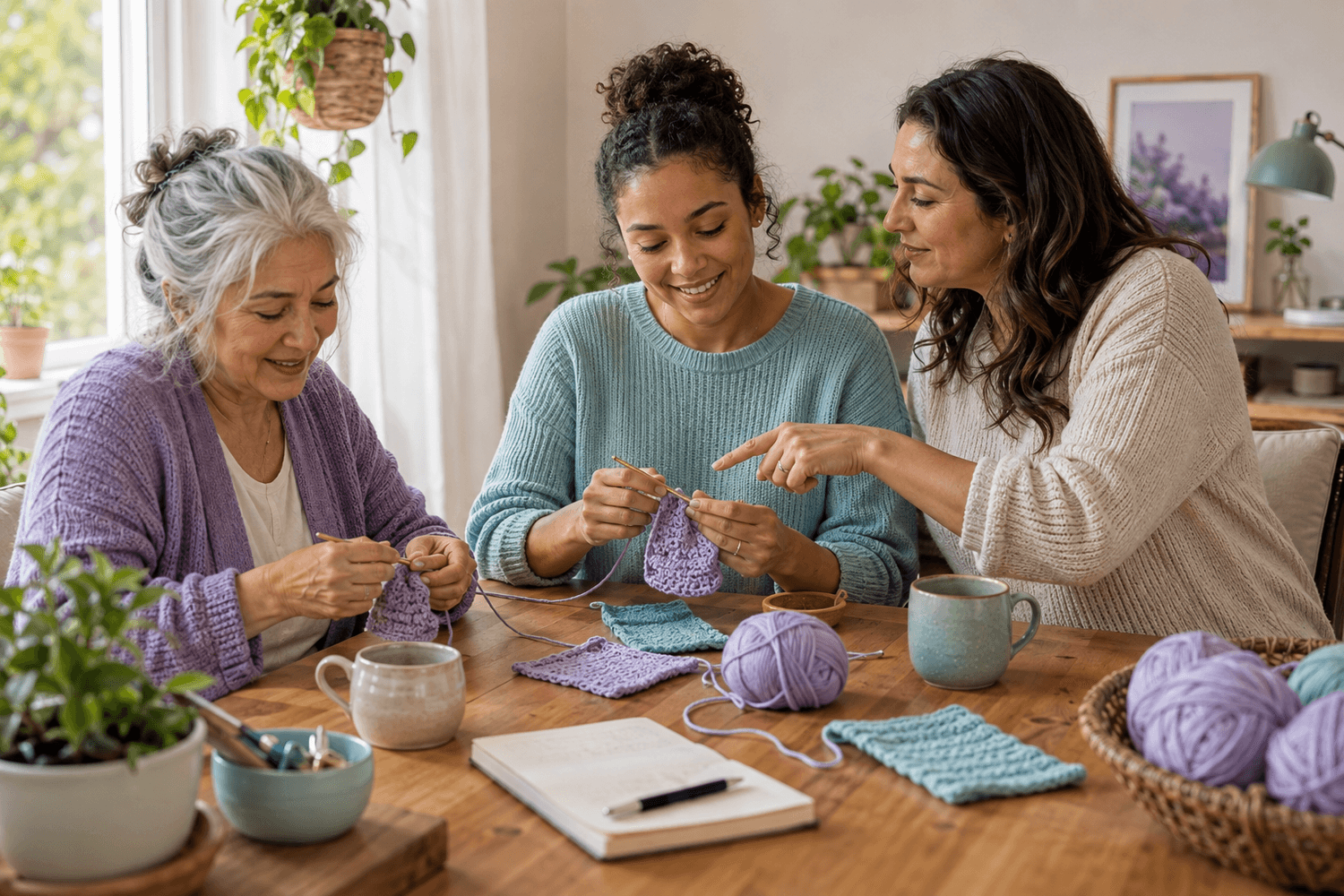
Creative learning can also give you:
A sense of purpose.
Something enjoyable to anticipate.
A break from repetitive thoughts.
A healthy challenge.
A visible reminder of your progress.
A way to connect with other people.
The goal is not to create additional pressure. Starting something new should not become another standard you must meet perfectly. It can simply be an invitation to become curious again.
Give Yourself Room To Learn
Beginnings need patience.
A seed does not become a flower the day it is planted. A skein of yarn does not become a blanket in a single sitting. Your hands and mind need time to understand a new skill.
Try to speak to yourself the way you would speak to someone you care about.
You would not look at a friend’s first crooked row and tell them they would never learn. You would probably point out what they did correctly, help them find the next stitch, and encourage them to keep practicing.
You deserve that same kindness.
Celebrate the first chain. Celebrate the uneven square. Celebrate the moment you finally understand something that confused you yesterday.
Those are not insignificant accomplishments. They are the building blocks of confidence.
Begin Before You Feel Completely Ready
There may never be a perfect time to begin.
Life will remain busy. You may still feel nervous. You may not own every supply or understand every instruction. Waiting until you feel completely prepared can keep a meaningful idea sitting untouched for far too long.
You do not need to see the entire path before taking the first step.
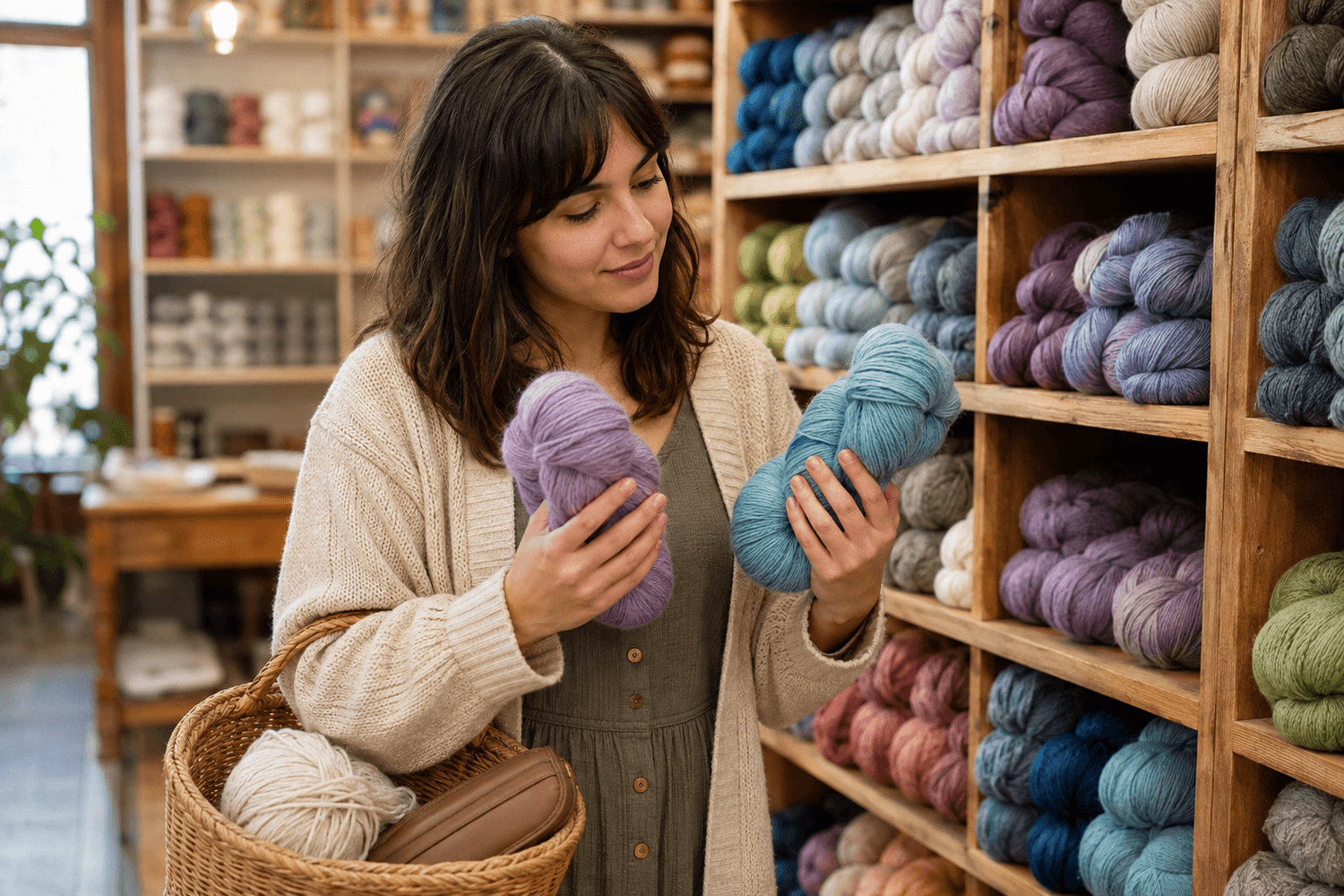
Choose the yarn.
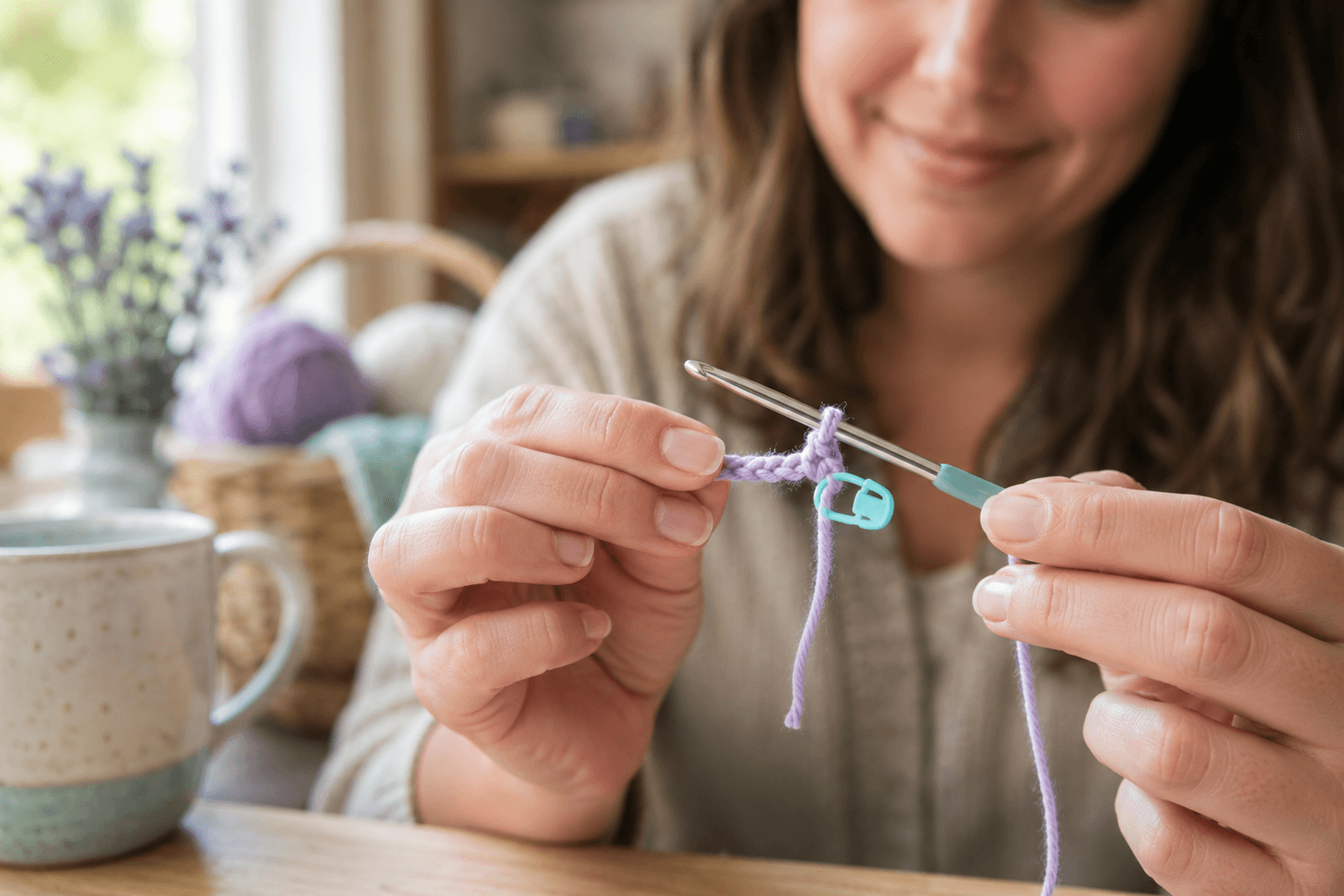
Make the slip knot.
Watch the tutorial.
Ask the question.
Join the class.
Start the project.
You can learn the rest as you go.
Your Beginning Does Not Have to Look Like Anyone Else's
Some people learn quickly by watching. Others need written instructions, photographs, repetition, or someone sitting beside them. Some beginners are ready to make a scarf after their first lesson. Others need time to practice individual stitches before beginning a project.
Neither approach is wrong.
Your pace does not determine your potential. It simply reflects the way you are learning right now.
Give yourself permission to begin where you are, use the support you need, and move at a pace that allows you to enjoy the experience.
One Stitch Is Enough
Starting something new is an act of hope. It is a quiet decision to believe that you can grow beyond what you know today.
Your first attempt may not be perfect. It is not supposed to be.
It is supposed to teach you.
Pick up the hook, gather the yarn, and allow yourself to make something imperfect, meaningful, and entirely your own. You never know where that first stitch might lead.
What is one new thing you have been wanting to try?
A Note from the Nook
While I believe in the power of a quiet hook and a steady rhythm to calm the heart, please remember that the ideas shared here are for relaxation and educational purposes. They are meant to complement, not replace, professional medical or mental health care. If anxiety is affecting your daily life, reach out to a licensed healthcare professional for guidance and support.
May your stitches bring comfort, your creativity bring peace, and your hands remind you that even small steps can create something beautiful.
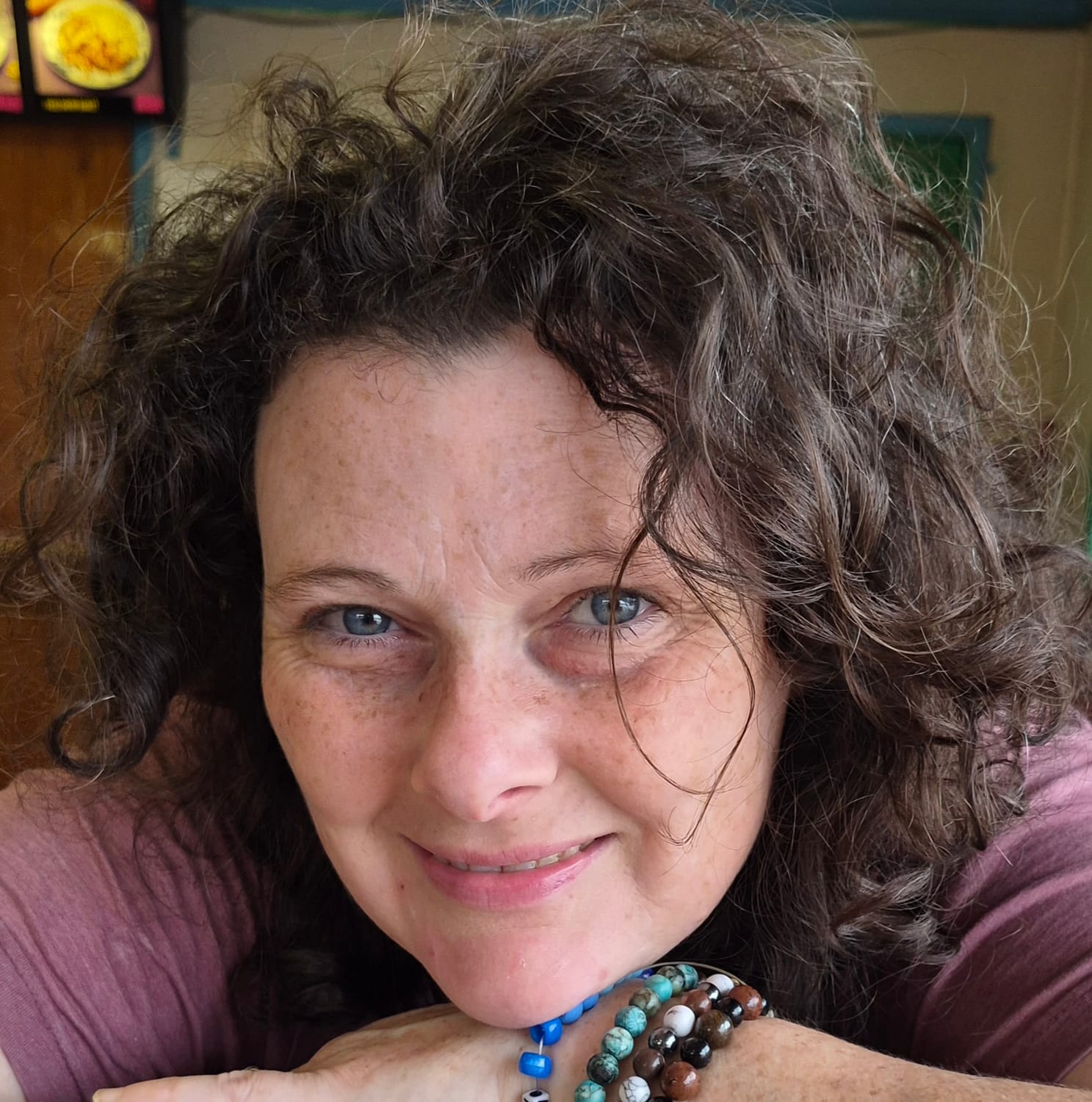
HEY, I’M MELISSA…
Hi, I'm Melissa—the creator behind Naturally, MelissaMade, founder of The Hook Nook, and dreamer of the Purple Peacock Bus.
As a homeschooling mom, homesteader, crochet educator, and handmade artisan, I've discovered the incredible power creativity has to bring peace, confidence, and connection.
What began as a simple hobby became my sanctuary, inspiring a business and community dedicated to helping others experience the therapeutic benefits of crochet one stitch at a time.



JOIN MY MAILING LIST
The Hook Nook Chronicles shares crochet tips, inspiration, community stories and creative growth.
912-655-3428
Newsletter
Subscribe now to get daily updates.